
14 December . 2025
Financial Planning for 55+ Homebuyers: Costs of New Construction, HOA Fees, and Long-Term Budgeting
For many 55+ homebuyers, especially those researching 55+ communities in Virginia, having a clear understanding of the financial landscape can be empowering. With the right plan, you can step confidently into a lifestyle that’s low-maintenance, enriching, and designed for how you want to live.
Why Financial Planning Matters for Today’s 55+ Homebuyers
More older adults are choosing active communities that offer ease, connection, and amenities that support a vibrant lifestyle. With travel plans, hobbies, grandchildren, and personal pursuits in the mix, today’s 55+ buyers aren’t downsizing, they’re right-sizing.
Financial planning helps answer important questions early, such as:
- How predictable will my monthly costs be?
- What will I spend on maintenance now and five years from now?
- Will this home support how I want to live, not just today but long-term?
Budgeting for both predictable (mortgage, utilities, HOA fees) and unpredictable (repairs, replacements) costs ensures that you can enjoy your lifestyle without surprise expenses popping up. For many active adult homebuyers, the goal isn’t just affordability, it’s stability.
Comparing Costs: New Construction vs. Resale Homes in 55+ Communities

One of the biggest decisions buyers face is whether to choose new construction or purchase a resale home. Both options have value, but they differ in long-term financial impact.
Why Many 55+ Buyers Choose New Construction
New homes offer significant advantages for those looking to minimize future expenses:
- Modern systems and materials mean fewer repairs in the first 10–15 years.
- Energy-efficient construction reduces monthly utility bills.
- Builder warranties protect key systems and components.
- Customization allows you to invest in features once rather than paying for upgrades later.
For buyers who want predictable, low-maintenance living, these advantages often translate into better long-term budgeting.
Hidden Costs of Resale Homes
Even well-kept resale homes may come with aging components that will eventually need repair or replacement. Older HVAC systems, older roofs, drafty windows, or original appliances can add thousands to future budgets. For 55+ buyers planning on a fixed income, or simply wanting fewer surprise expenses, those unknowns can be concerning.
New construction helps active adult homebuyers avoid these “what ifs,” creating smoother, steadier long-term cost expectations.
Understanding HOA Fees in Active Adult Communities
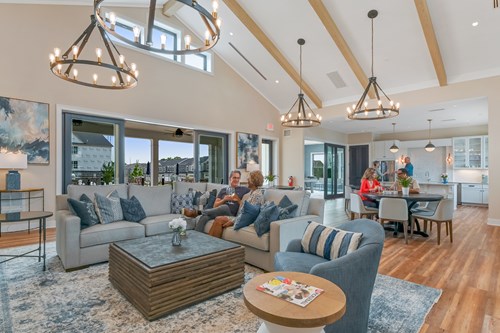
Homeowners Association fees are a key component of budgeting for life in active adult communities. But while fees are often viewed as just another line item, the right HOA can actually replace many individual expenses you’d otherwise pay out-of-pocket.
What HOA Fees Typically Cover
In many 55+ communities in Virginia, HOA dues may include:
- Exterior landscaping and lawn care
- Snow removal
- Common-area maintenance
- Clubhouse and fitness center access
- Trail and park upkeep
- Pools and community events
- Trash and recycling services
The Value of Shared Maintenance
Think of HOA fees not as a cost, but as a consolidation of expenses. Instead of paying various contractors individually (landscapers, snow removal, pool memberships), you benefit from community-maintained services built into one predictable monthly fee.
What to Look for When Evaluating HOA Fees
Instead of shopping for the lowest HOA fee, focus on the best value. Ask:
- What exactly is included?
- Which expenses will I no longer have to budget for?
- How well are the amenities maintained?
- How strong is the HOA’s financial health and reserve planning?
A well-run HOA is a long-term asset. It helps protect home values and makes budgeting far easier.
Long-Term Budgeting for 55+ Homebuyers

Whether you’re preparing for retirement, semi-retirement, or just simplifying your life, long-term budgeting is a key part of making a confident housing choice.
What to Include in Your Long-Term Housing Budget
- Mortgage or home equity transfer plan
- Property taxes (including potential future rate adjustments)
- Homeowners insurance
- Utilities based on home size and energy efficiency
- HOA fees and any related community membership fees
- Travel or lifestyle spending
- Future healthcare or supplemental insurance needs
Protecting Home Value
Features such as modern construction, quality community amenities, and strong HOA management can help stabilize and even increase resale value, which is an important factor for long-term financial planning.
Practical, Predictable Budgeting Tips
For active adult buyers, the goal is comfort and stability. Consider:
- Building a 5–10 year expense projection.
- Identifying which costs are fixed vs. variable.
- Understanding how new construction minimizes repair risk.
- Prioritizing communities designed specifically for low-maintenance living.
How Embrey Mill Supports Smart, Predictable Living

At Cascades at Embrey Mill, we’ve designed our 55+ offering with real-life financial planning in mind. We know how important predictability, maintenance support, and lifestyle value are to today’s homebuyers. That’s why we focus on:
Low-Maintenance Living
Modern home designs, energy-efficient systems, and builder-backed quality to help reduce surprise expenses, keeping your budget steady year after year.
High-Value Amenities
At Embrey Mill, your HOA helps maintain spaces and experiences that enrich daily life, including:
- The Embrey House with Ground Bistro & Café
- Fitness center
- Pickleball & Bocce Ball Courts
- Resort-style pools
- Nature trails and wooded paths
- Dog parks
- Community garden
- Clubhouse gathering spaces
- Year-round community events
Transparent Planning Support
We’re committed to helping 55+ homebuyers make informed decisions. Whether you want to see a detailed HOA breakdown, compare homesite options, or explore the financial differences between new construction and resale, our team is here to guide you with honesty and clarity.
Planning Your Next Financial Chapter at Embrey Mill

Financial planning is one of the most empowering steps you can take as you prepare for a move. With the right information, you can choose a home that not only feels right today but continues to support the lifestyle you want tomorrow.
At Cascades at Embrey Mill, you’ll find the balance many 55+ homebuyers are looking for: low-maintenance living, strong financial transparency, modern home design, and amenities that support a fulfilling, active lifestyle.
Ready to explore your options? Browse available homes, review HOA details, or contact us today to schedule a personalized tour! We’re here to help you plan confidently for your next chapter.
FAQ for 55+ Homebuyers
What costs should 55+ homebuyers expect when choosing new construction?
Expect predictable upfront costs plus lower maintenance over time. New construction usually includes modern systems, warranties, and energy-efficient features that reduce long-term expenses.
Tip: Ask for a projected maintenance schedule for your first 10 years of ownership.
What do HOA fees cover in a 55+ community?
HOAs typically cover maintenance, amenities, and shared services. This can include landscaping, snow removal, clubhouse access, pools, trails, and neighborhood upkeep.
Example: Compare your current lawn care + gym + community services to see the value.
Are 55+ communities more affordable long-term?
Often, yes especially when factoring in maintenance savings. Active adult communities consolidate many costs into predictable fees, reducing surprise expenses.
Tip: Look for communities with strong reserve funds and well-maintained amenities.
How can 55+ homebuyers plan financially when considering homes at Cascades at Embrey Mill?
Review builder-specific pricing, included features, warranties, and HOA documents to understand both upfront and ongoing costs. This helps you estimate monthly expenses and plan for long-term, low-maintenance living with fewer surprises.
What financial planning tips are best for 55+ homebuyers?
Focus on predictability and future needs. Analyze fixed vs. variable costs, consider healthcare planning, and choose homes with low long-term maintenance.
Example: Compare a 10-year cost estimate for new construction vs. resale.